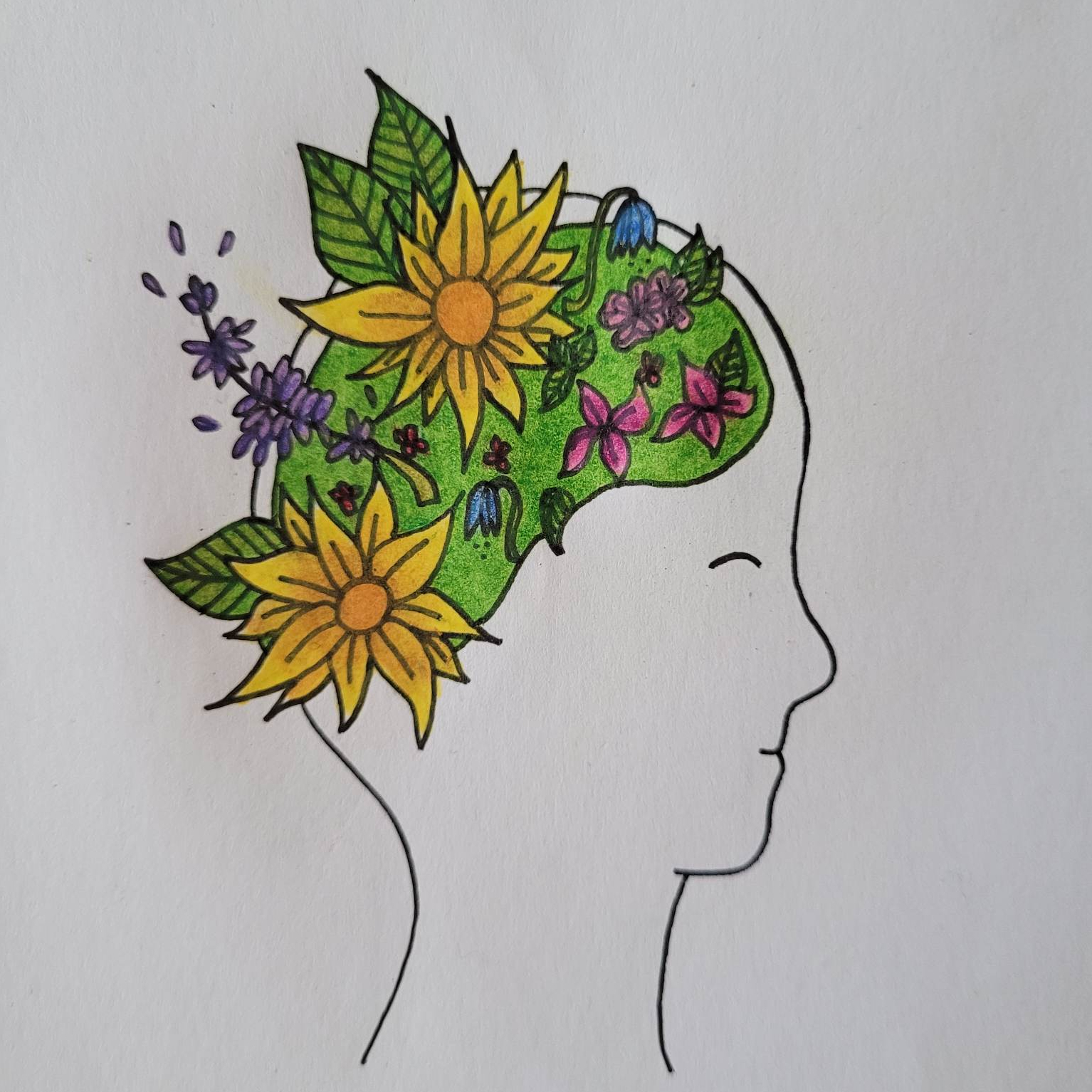
Autism – a part of the world’s neurodiversity
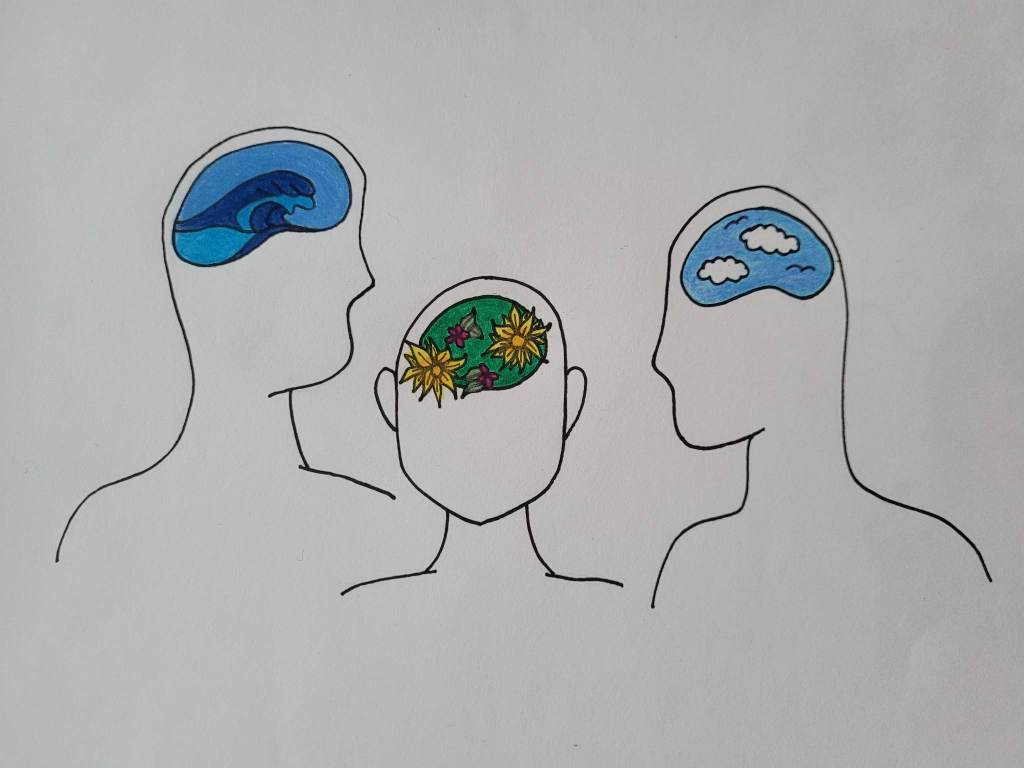
Neurodiversity is a political term that was coined by the sociologist Judy Singer at the end of the 90s. This concept describes the limitless variability of human cognition. Every person alive today, as well as every person who has ever existed, has a unique brain and cognition. Therefore, neurodiversity describes the whole of humanity and every single brain type.
I think this is an important concept because it seeks to challenge the idea of a normal braintype and that every divergence is inherently “wrong”. Neurodiversity implies that it is fundamental to include every neurotype in order to have a thriving society. Consequently, neurominorities (like Autistic people) now have a stronger platform from which to advocate for their own rights. This social movement is called the Neurodiversity Movement.
Neurominorities or Neurodivergent people (ND) as Kassiane Asasumasu named it, is conformed by groups that have a neurodevelopmental difference. This includes diagnoses such as autism (ASD), ADHD, AuDHD (the combination of autism and ADHD), Tourette’s Syndrome, dyslexia, dyscalculia, dyspraxia, dysgraphia, Sensory Processing Disorder (SPD) etc. Those who aren’t Neurodivergent are referred to as Neurotypical (NT). This does not mean that all NTs have identical brains, but rather that NDs are characterized by a greater divergence from the majority. These greater divergences are therefore categorized as different neurotypes.
A popular example used to explain different neurotypes is the comparison with operative systems. Let’s say that NTs are like Windows, that Autistic people are like Linux and those with ADHD are like Mac OS. These are three different operative systems and they function in different ways. It’s important to know which operative system you’re working with, in order to understand how it works. No one will say that Windows is right and that Linux and Mac OS are wrong. The significant thing is to understand that they are different and that they all work. It’s the same with neurotypes.
That’s why it’s so important now that Neurodivergent people are beginning to join the discussions about their own neurotypes. We deserve to have a voice in society and to work towards changing the negative stereotypes, stigma and ableism.
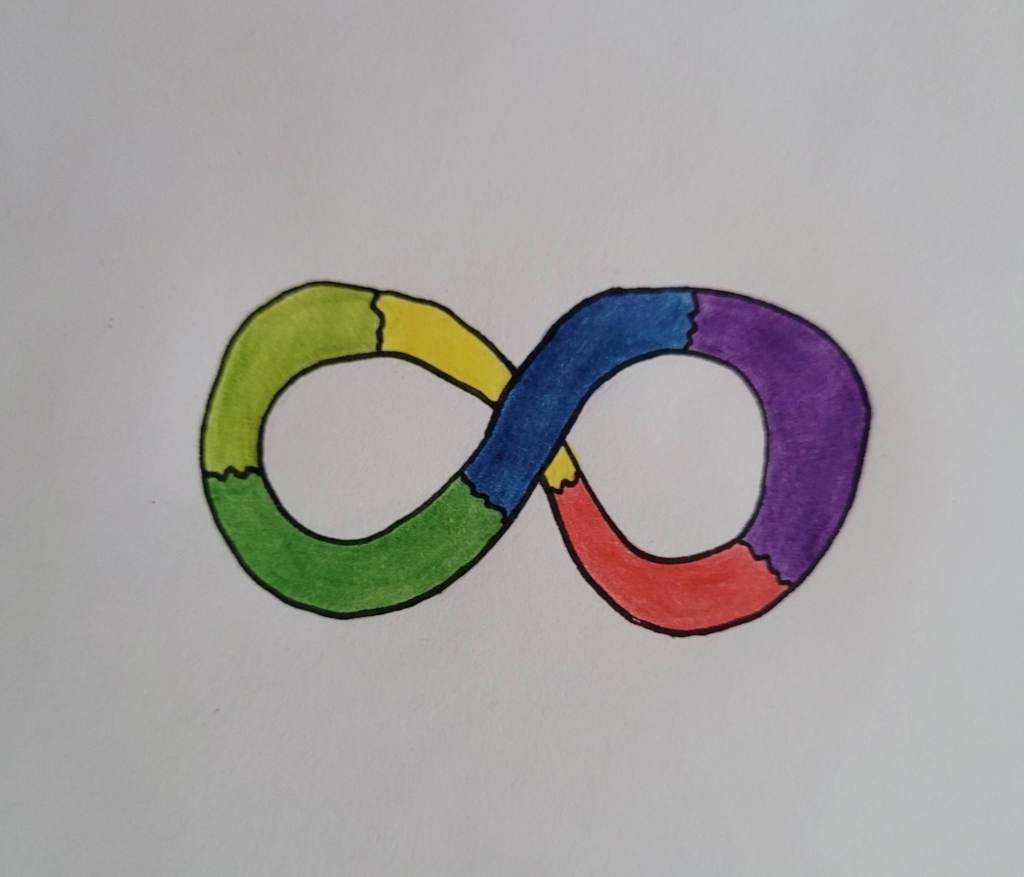
As an Autistic person I think it’s really important that the common knowledge about neurominorities, like Autistic people, should improve. Autism isn’t about psychology, but about neurology. Therefore, I wish to argue that it’s not about mental health, but about diversity.
Many NDs do not have the same opportunities due to the fact that our society is designed for NT people. This is true for everything from kinder gardens, schools and higher education to health services and workplaces.
When it comes to education and work, there should be a greater focus on what a person can do and that there are different ways to achieve results. Everyone doesn’t process social and sensory information the same way, neither do they learn the same way nor do their work the same way. It’s important that we accept this. NDs deserve acceptance and accommodation for the things we find challenging (according to each person’s support needs), as well as an opportunity to explore and use our strengths, talents and interests.
A more flexible and inclusive society would be better for everyone. This starts with more knowledge about Neurodiversity. We have to remember that diversity is humanity’s greatest strength! The fact that we think and perceive the world in different ways and that we have different talents and abilities, is what makes it possible for us to understand and achieve things together.

 Autism Diversity
Leave a comment